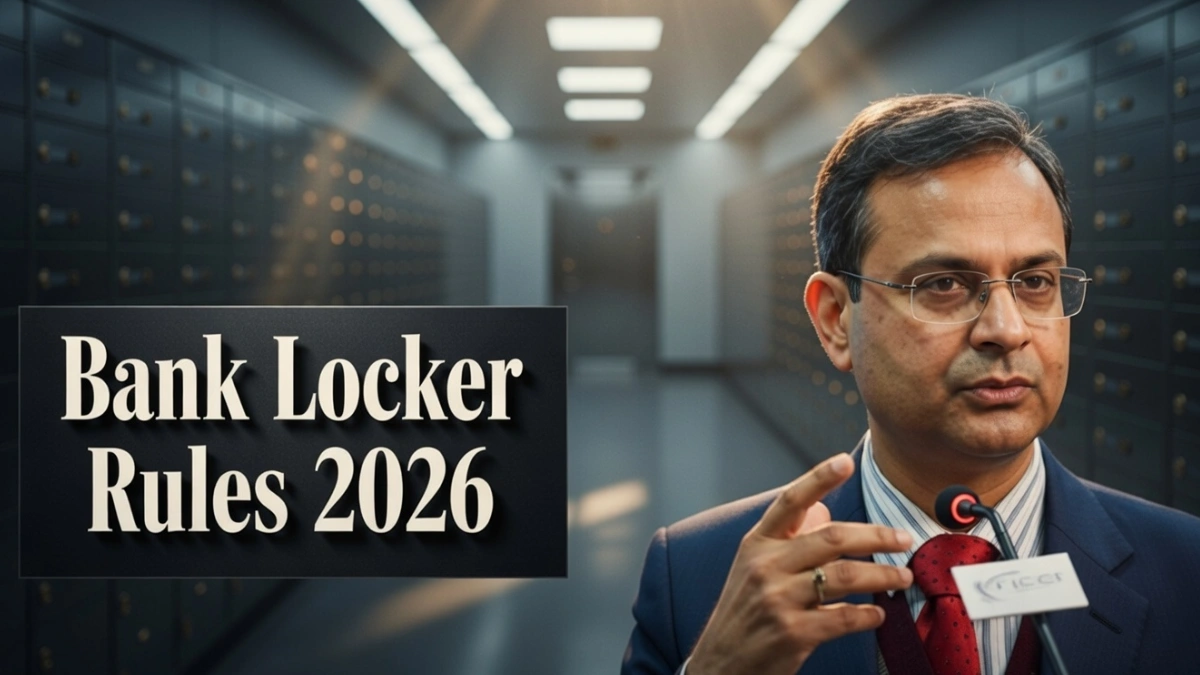
Bank lockers remain a preferred choice for securely storing valuables, documents, and jewelry. In 2026, the Reserve Bank of India (RBI) has issued updated guidelines regarding locker security, liability, and operational rules. These updates clarify responsibilities of banks and locker holders, ensuring transparency and protection for customers. Understanding these rules is crucial to avoid disputes and safeguard assets.
Key RBI Guidelines for 2026
RBI’s updated locker guidelines focus on enhanced security, clear liability norms, and customer rights. Banks are required to provide robust security measures, including CCTV monitoring, restricted access, and digital records of locker operations. The guidelines also define the liability of banks in case of theft, damage, or natural calamities, ensuring that both banks and customers are aware of their responsibilities.
Locker Security Measures
Banks are expected to implement multiple layers of security for lockers. This includes biometric access, dual control mechanisms, and regular audits. Customers are advised to maintain confidentiality of locker keys or digital credentials, as negligence may limit bank liability in case of loss or theft. These measures enhance overall safety while ensuring compliance with RBI regulations.
Liability of Banks and Customers
| Aspect | Bank Liability | Customer Responsibility |
|---|---|---|
| Theft from Bank Premises | Bank liable if due diligence maintained | Ensure locker key or password safety |
| Damage Due to Natural Disasters | Bank liability limited | Maintain adequate insurance if desired |
| Lost Locker Keys | Customer responsibility | Bank may assist in recovery but may charge fee |
| Insurance Coverage | Optional, customer may opt | Recommended for high-value items |
This table clarifies how liability is shared between banks and locker holders under the new 2026 guidelines.
Locker Operations and Charges
Banks may revise rental charges for lockers, notify customers in advance, and provide clear terms of service. Customers should review locker agreements for tenure, rental fees, and default consequences. Renewal of lockers is generally automatic, but non-payment may lead to restricted access or auction of contents after due process.
Benefits of Compliance
Adhering to RBI’s locker rules ensures maximum protection of valuables, reduces the risk of disputes, and enhances trust between banks and customers. Customers who follow operational guidelines and maintain insurance for high-value assets can mitigate financial losses in unforeseen situations.
Conclusion
The Bank Locker Rules 2026 issued by RBI provide clarity on security standards, liability, and customer responsibilities. By following these guidelines, both banks and locker holders can ensure a safe and transparent system. Customers should review locker agreements, maintain key confidentiality, and consider insurance for high-value items to fully benefit from the updated rules.
Disclaimer: This article is for informational purposes only. Locker rules, bank liability, and security measures are subject to official RBI notifications and individual bank policies. Customers should consult their bank or RBI circulars for accurate and updated guidance.