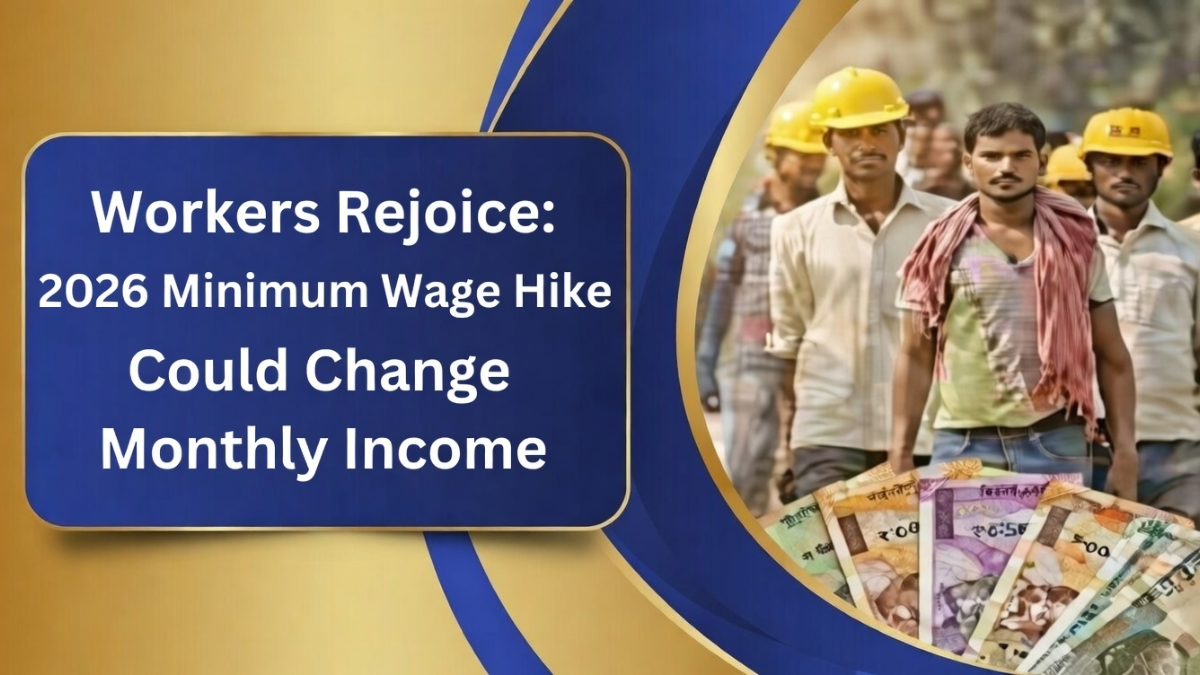
A major wage revision in 2026 is bringing relief to millions of workers across India. The government has announced a significant increase in labour wages, impacting both skilled and unskilled workers in multiple states.
With inflation pushing up the cost of living, the salary hike is being described as one of the most important wage adjustments in recent years. Here is a complete breakdown of what the increase means, who benefits, and how it will be implemented.
Why Labour Wages Are Increasing in 2026
The wage revision comes amid rising inflation, increased fuel prices, and higher daily expenses. Governments periodically review minimum wages to ensure workers receive fair compensation that matches economic conditions.
The 2026 hike reflects:
Cost of living adjustments
Inflation index revisions
Worker union demands
Compliance with labour code provisions
The goal is to improve income stability for daily wage earners and contract workers.
Who Will Benefit from the Salary Hike
The wage increase affects:
Unskilled labourers
Semi-skilled workers
Skilled workers
Construction workers
Industrial and factory employees
Contract and daily wage workers
Minimum wages differ by category and state, but the revision is expected to raise the base salary for each group.
How Minimum Wages Are Calculated
Minimum wages are determined based on skill level, location, and industry category.
Urban areas typically have higher wage rates compared to rural areas. Skilled workers earn more than semi-skilled and unskilled categories.
In 2026, many states have revised wage slabs upward to reflect current economic realities.
Impact on Monthly Earnings
The wage hike will directly increase daily wage rates, which translates into higher monthly income for workers.
For example:
If a daily wage increases by ₹30 to ₹50, monthly earnings can rise by ₹900 to ₹1,500 depending on working days.
For many families, this increase can help cover essentials like food, rent, and education expenses.
How Employers Must Comply
Employers are legally required to pay at least the revised minimum wage once notified by state authorities.
Failure to comply can lead to:
Penalties
Legal action
Inspection notices
Workers should check official notifications in their state to confirm updated rates.
Labour Code and Wage Reforms
The new wage structure aligns with broader labour code reforms aimed at standardizing wage definitions and improving transparency.
Reforms focus on:
Uniform wage definition
Timely salary payments
Social security benefits
Improved compliance monitoring
These measures aim to create a fairer labour ecosystem.
Will This Affect Private Sector Salaries?
While the wage hike primarily targets minimum wage workers, private sector salaries may also see indirect adjustments due to increased baseline pay requirements.
Industries relying heavily on daily wage labour may revise pay structures accordingly.
What Workers Should Do Now
Workers should:
Verify revised minimum wage rates in their state
Ensure employers implement new rates
Maintain documentation of salary payments
Report violations through labour department channels
Awareness ensures proper enforcement of the hike.
Conclusion
The 2026 labour wage increase marks a significant step toward improving income security for workers across states. With revised minimum wages and stronger labour code compliance, millions of workers stand to benefit from higher earnings.
Staying informed and verifying state-specific updates will help workers ensure they receive the full benefit of this historic salary hike.
Disclaimer: This article is for informational purposes only. Wage rates vary by state and skill category. Always verify details through official labour department notifications.