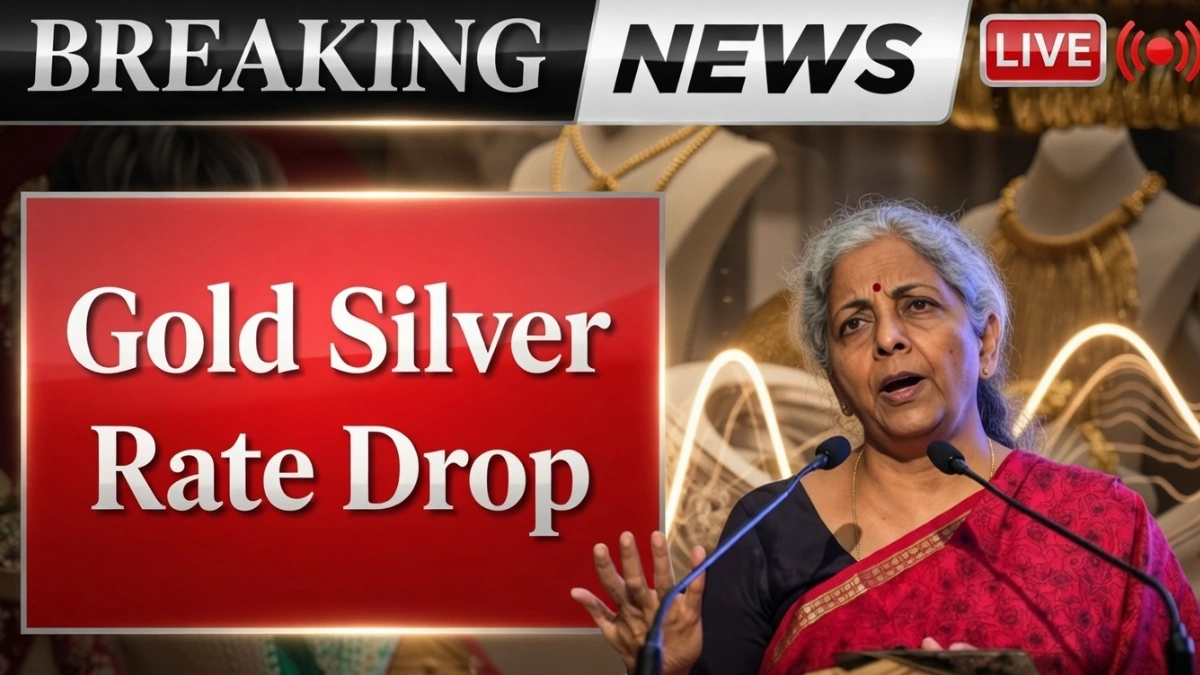
In February 2026, gold and silver prices remain closely watched by investors, jewellery buyers and savers alike. After volatility in global commodity markets, precious metals have shown a mix of stable support and short-term fluctuation. Factors influencing prices include global demand, currency movements, geopolitical developments, inflation expectations and central bank policy signals.
Retail prices in India are also affected by local demand ahead of weddings, festivals and seasonal buying trends in key markets. Price movements are usually updated daily based on international benchmarks and domestic price markers.
Today’s Gold and Silver Price Snapshot
| Commodity | Approx. Rate per 10 grams / per kilogram | Trends (Short-Term) |
|---|---|---|
| Gold (24K) | ₹60,000 – ₹61,500 per 10g | Mixed / Slight Rally |
| Gold (22K) | ₹55,000 – ₹56,500 per 10g | Stable to Moderate Increase |
| Silver | ₹75,000 – ₹80,000 per kg | Continued Volatility |
| International Gold | $2,100 – $2,150 per ounce | Supported by Safe-Haven Demand |
This table reflects approximate price ranges for gold and silver in February 2026. Actual rates may vary by city, retailer and daily market movements.
Key Drivers of Price Movement
Prices of gold and silver in early 2026 are influenced by several economic and market factors. Strengthening global economic data can reduce safe-haven demand, putting pressure on gold and silver prices. Conversely, geopolitical tensions, currency weakness and rising inflation expectations typically support higher precious metal prices.
Domestic demand from buyers ahead of weddings, cultural events and investment interest also affects retail pricing. Expectations of stable or shifting interest rate policy can alter investor sentiment towards gold and silver as hedges against risk.
Is It a Good Time to Buy Gold or Silver?
Determining whether it is a good time to buy depends on individual goals, risk profile and market outlook. For investors seeking long-term wealth preservation and portfolio diversification, steady accumulation of gold or silver over time may be beneficial, especially if prices are viewed as range-bound with potential for gradual increases.
For short-term buyers, price volatility means timing purchases carefully is important. Significant dips offer better entry points, while sharp rallies may prompt cost averaging or staggered purchases rather than full investment at one high level.
Factors to Consider Before Buying
When deciding to buy gold or silver, investors should consider liquidity needs, investment horizon and cost of storage. Bank-linked gold ETFs, sovereign gold bonds and digital gold instruments offer alternatives to physical ownership with easier liquidity and different tax treatments.
Retail buyers should also account for making charges, taxes and dealer premiums that apply to physical jewellery purchases. Silver tends to be more volatile and may be better suited for tactical or periodic purchases rather than large lump-sum allocation.
Historical Price Context and Expectations
Over the past 12 months, gold has traded within a broad range reflecting macroeconomic uncertainty and demand from both central banks and retail investors. Silver prices have been more sensitive to industrial demand cues and commodity market momentum.
Analysts in early 2026 expect that if inflation remains contained and economic growth prospects firm up, precious metal prices may consolidate before resuming an upward bias. However, unexpected global events or shifts in monetary policy could alter this outlook quickly.
Conclusion
February 2026 continues to offer mixed signals for gold and silver buyers. Current price levels suggest that long-term investors may find value in gradual accumulation, while short-term traders should watch for dips and volatility before committing significant funds. Evaluating personal financial goals, comparing alternatives like ETFs or sovereign bonds, and staying updated on market trends can help in making informed buying decisions.
Disclaimer: This article is for general informational purposes only. Precious metal prices fluctuate frequently based on market conditions, and retail prices may vary by location and dealer. Investors should consult official price sources, financial advisors, or market platforms for precise, real-time rates and personalised investment guidance.