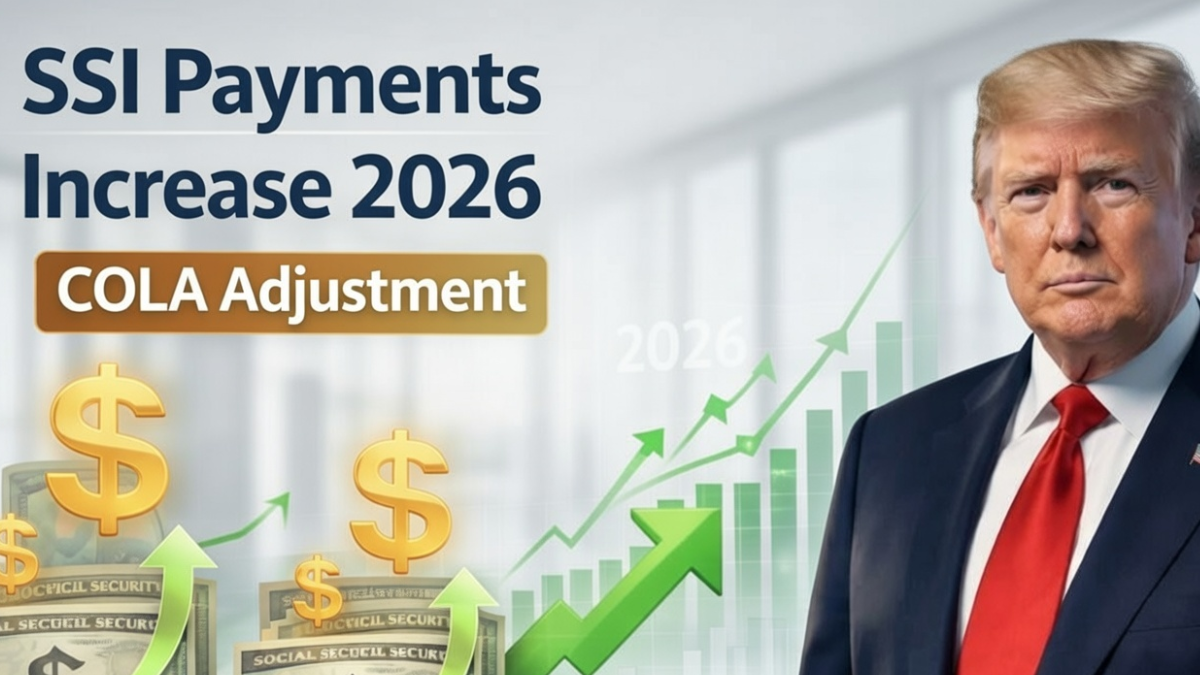
Supplemental Security Income payments are increasing in 2026 due to a new Cost of Living Adjustment, offering welcome relief to millions of low income seniors, disabled individuals, and blind beneficiaries. As everyday expenses like food, rent, and healthcare continue to rise, the COLA update plays a crucial role in protecting the purchasing power of those who rely on SSI as their primary source of income. While the increase is positive news, it also raises important questions about eligibility limits, state supplements, and how beneficiaries should plan ahead.
Why SSI Payments Are Increasing in 2026
The 2026 increase in Supplemental Security Income payments is driven by the annual Cost of Living Adjustment, commonly known as COLA. This adjustment is designed to keep federal benefits aligned with inflation trends measured through consumer price data. When inflation remains elevated, COLA rises to help beneficiaries maintain basic living standards.
The adjustment is calculated and applied by the Social Security Administration, which oversees both SSI and Social Security benefits. Once finalized, the new payment amounts automatically apply at the start of the calendar year, meaning eligible recipients see higher monthly deposits without needing to submit a new application.
How Much More Will SSI Beneficiaries Receive
In 2026, SSI recipients will see a noticeable increase in their monthly federal payment amounts. The exact dollar value varies depending on individual circumstances, including whether the beneficiary is single, part of a couple, or receiving state supplemental payments.
For many recipients, even a modest monthly increase can make a meaningful difference. SSI benefits are intended to cover basic needs like food, clothing, and shelter. Rising housing costs and medical expenses have made these needs harder to meet, so the COLA increase helps close some of that gap, even if it does not fully offset all inflation pressures.
Who Is Eligible for the Higher SSI Payments
Eligibility for Supplemental Security Income in 2026 remains based on strict income and resource limits. The COLA increase does not change who qualifies for SSI, but it does raise the federal benefit rate used to calculate payments.
To continue receiving SSI, beneficiaries must still meet age, disability, or blindness criteria, along with financial limits. Countable income and resources can reduce or eliminate monthly payments. This means some recipients may see smaller increases than expected if other income sources rise at the same time.
How COLA Affects Income Limits and Reductions
One important detail often overlooked is how COLA interacts with income rules. While the base SSI payment increases, certain income thresholds may also be adjusted. This can slightly reduce the impact of the increase for recipients with part time work, pensions, or support from family members.
- SSI planning in 2026 requires careful tracking of earned income, unearned income, resource limits, state supplements, and reporting rules to avoid unexpected benefit reductions or overpayments.
Understanding how these factors work together is essential to making the most of the COLA increase.
The Role of State Supplemental Payments in 2026
In addition to the federal SSI payment, many states provide optional supplemental benefits. These state payments vary widely and may increase separately from the federal COLA. In some states, beneficiaries will see a combined boost from both federal and state adjustments.
However, not all states update their supplements annually. This creates uneven outcomes across the country, where some recipients experience meaningful increases while others see only the federal adjustment. Knowing how your state handles SSI supplements is key to understanding your total monthly benefit in 2026.
What the 2026 Increase Means for Long Term Financial Stability
While the COLA increase improves monthly income, it does not eliminate long term financial challenges for SSI recipients. Benefits remain modest, and rising healthcare and housing costs continue to strain limited budgets. The increase should be viewed as protection against inflation rather than a permanent solution to financial insecurity.
For beneficiaries who can manage small savings or limited earned income, careful planning becomes even more important. Staying within resource limits while maintaining emergency funds is a delicate balance that requires ongoing attention.
Common Mistakes Beneficiaries Should Avoid After the Increase
After COLA adjustments, some recipients make unintentional errors that lead to benefit disruptions. Failing to report income changes, exceeding resource limits, or misunderstanding state supplement rules can trigger overpayments or temporary benefit loss.
Reviewing benefit notices carefully at the start of 2026 and keeping records updated can prevent these issues. When in doubt, confirming details directly with official benefit administrators can save months of stress later.
What This Update Signals for the Future of SSI
The 2026 COLA increase highlights the growing importance of inflation adjustments in federal assistance programs. As economic conditions fluctuate, COLA will continue to play a critical role in determining the real value of SSI benefits.
For future beneficiaries, this reinforces the need to treat SSI as a foundational support rather than a complete income solution. Supplementing benefits responsibly and planning for rising costs remain essential strategies.
Conclusion
The Supplemental Security Income payment increase in 2026 due to COLA offers timely relief for millions of vulnerable Americans. Higher monthly payments help offset inflation and protect basic living standards, but they also come with new planning considerations. Understanding eligibility rules, income interactions, and state supplements allows beneficiaries to make the most of the increase without risking benefit disruptions. With informed planning, the 2026 COLA adjustment can provide greater stability in an increasingly expensive world.
Disclaimer: This article is for informational purposes only and does not constitute legal or financial advice.