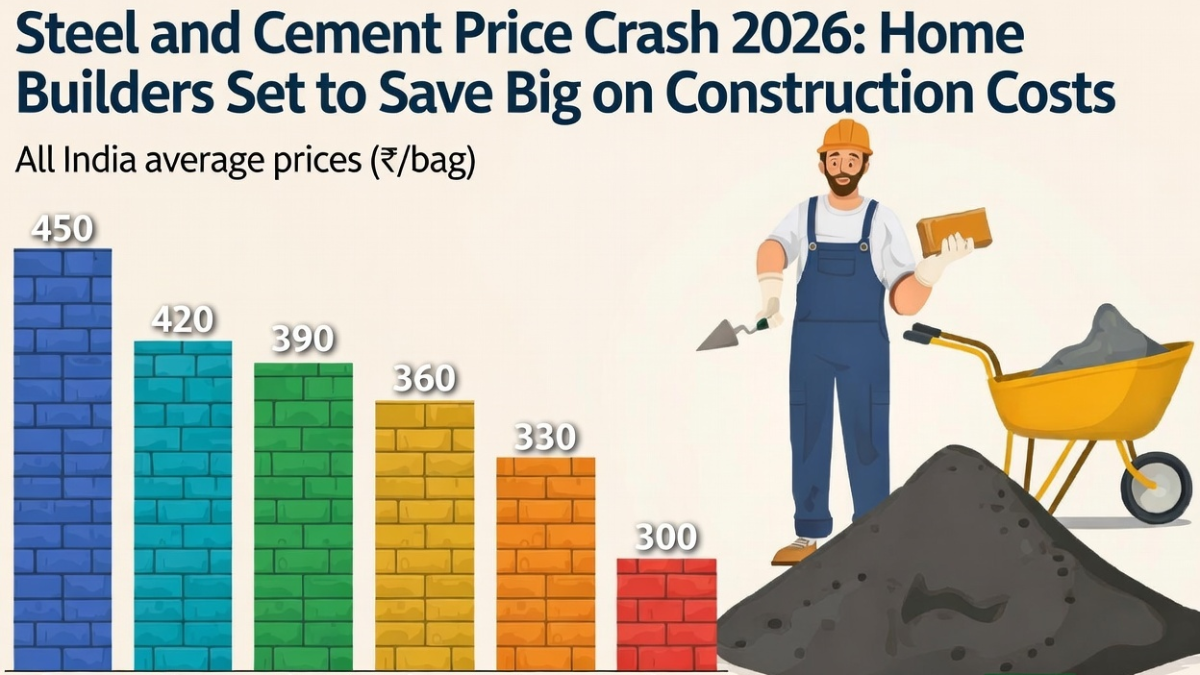
A sudden drop in steel and cement prices has created a wave of excitement among home builders and real estate developers. After months of elevated raw material costs, the latest market movement is offering a rare window of savings for those planning construction projects in 2026.
If you are building a home, renovating, or investing in property development, this price shift could significantly reduce your overall project budget.
Why Steel and Cement Prices Have Fallen
Steel and cement prices are influenced by global commodity trends, supply demand dynamics, transportation costs, and policy decisions. In recent months, easing raw material costs and improved production output have contributed to a downward correction.
Reduced international steel demand and stable domestic supply levels have also played a role. As production capacity normalizes, price pressures have softened across major markets.
Lower fuel and logistics costs in certain regions are further helping stabilize cement pricing.
How Much Are Builders Saving
The exact savings depend on location and supplier rates. However, even a moderate price drop per ton of steel or per bag of cement can translate into significant total savings for large construction projects.
For example, in a standard residential home project, steel and cement account for a substantial portion of material expenses. A noticeable drop in prices can lower total construction cost by thousands of rupees.
Large scale developers may benefit even more due to bulk procurement.
Impact on Real Estate Market in 2026
Falling raw material prices could:
Encourage stalled construction projects to resume
Improve profit margins for developers
Reduce overall home building expenses
Boost new housing launches
Create competitive pricing opportunities in the property market
Lower construction costs can indirectly benefit buyers if developers pass on savings.
Is This Price Drop Temporary or Long Term
Commodity markets are highly dynamic. While current trends show relief, prices can fluctuate based on global demand, policy changes, or supply disruptions.
Builders planning projects may consider locking in material purchases during favorable price periods.
Monitoring local supplier updates is essential before making bulk buying decisions.
What Home Builders Should Do Now
If you are planning construction, now may be a strategic time to review material cost estimates. Comparing supplier quotes and negotiating bulk discounts can maximize savings.
It is also wise to consult contractors regarding updated rate revisions before finalizing contracts.
Careful budgeting during this price correction phase can significantly improve cost efficiency.
Other Factors Affecting Construction Costs
While steel and cement are key components, overall project cost also depends on labor charges, finishing materials, land value, and regulatory approvals.
Even with raw material relief, builders should maintain contingency funds for unexpected changes.
Balanced financial planning remains essential.
Conclusion
The current steel and cement price crash in 2026 offers a valuable opportunity for home builders and developers to reduce construction expenses. While market conditions may shift again, the present correction provides short term relief that could significantly impact project budgets.
Those planning construction projects should closely track market updates and act strategically to benefit from the favorable pricing window.
Disclaimer: This article is for informational purposes only. Material prices vary by region and market conditions. Readers should verify current rates with local suppliers before making purchasing decisions.